
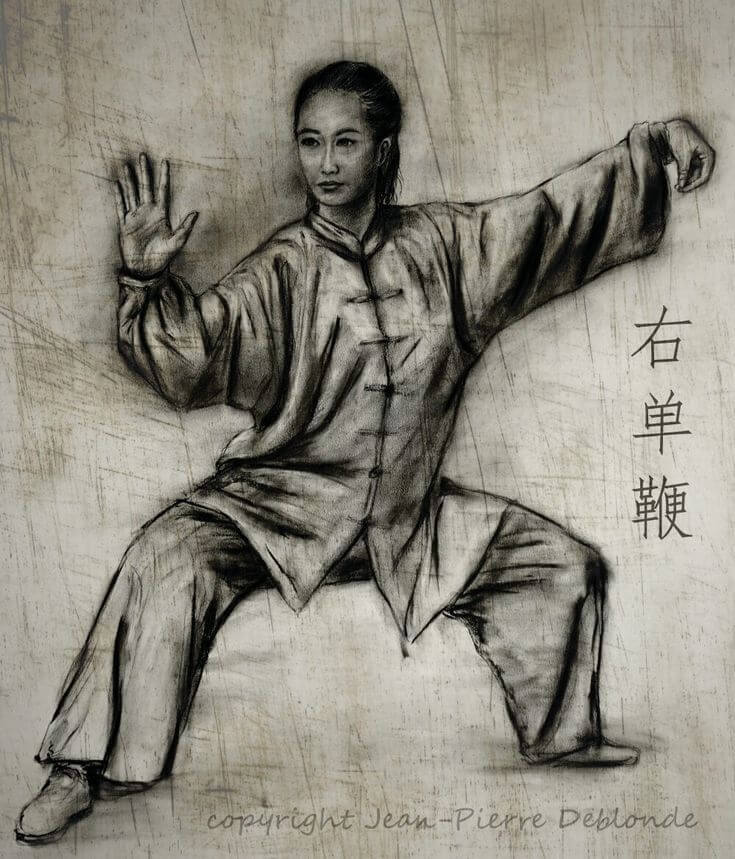
Qi Gong exercises
Qi gong is an ancient Chinese practice that directs and strengthens life energy, known as Qi, through conscious movement, breathing, and meditation. Scientifically, qi gong improves circulation, reduces stress, and promotes balance in the nervous system, which contributes to better health and resilience.
From a metaphysical perspective, qi gong is considered a way to connect with the universal energy that permeates everything and allows the flow of life force in the body. Practicing qi gong opens energy channels, removes blockages, and achieves harmony of body, mind, and spirit, leading to a deeper sense of inner peace and spiritual growth.
The power of qi gong exercises lies in their ability to transform energy in the body through simple but conscious movement and breathing, promoting healing and balance. In this way, qi gong acts as a bridge between the scientific understanding of the body and the metaphysical experience of life and energy.
Qi Gong exercises have a number of specific benefits that make them a powerful tool for body and spirit. In addition to being simple and quick to learn, they help with deep relaxation, improve circulation, flexibility and joint mobility[. Qi Gong strengthens muscles through gentle, controlled movements, increases postural stability and the body’s resistance to injury.
From a metaphysical perspective, qi gong is considered a way to connect with the universal energy that permeates everything and allows the flow of life force in the body. Practicing qi gong opens energy channels, removes blockages, and achieves harmony of body, mind, and spirit, leading to a deeper sense of inner peace and spiritual growth.
The power of qi gong exercises lies in their ability to transform energy in the body through simple but conscious movement and breathing, promoting healing and balance. In this way, qi gong acts as a bridge between the scientific understanding of the body and the metaphysical experience of life and energy.
Qi Gong exercises have a number of specific benefits that make them a powerful tool for body and spirit. In addition to being simple and quick to learn, they help with deep relaxation, improve circulation, flexibility and joint mobility[. Qi Gong strengthens muscles through gentle, controlled movements, increases postural stability and the body’s resistance to injury.
Qi Gong has been scientifically proven to have a positive effect on blood pressure, cholesterol levels, reduce inflammation and improve the function of the respiratory and digestive systems. It also reduces stress and anxiety thanks to meditative breathing techniques that promote relaxation and activate the parasympathetic nervous system.
Energetically, Qi Gong opens and harmonizes the flow of life energy (Qi) through the body, removing blockages and increasing vitality and energy[5][6]. Regular practice improves mental clarity, focus and emotional stability, helping to manage emotions and reduce mental restlessness.
Energetically, Qi Gong opens and harmonizes the flow of life energy (Qi) through the body, removing blockages and increasing vitality and energy[5][6]. Regular practice improves mental clarity, focus and emotional stability, helping to manage emotions and reduce mental restlessness.