
What is Shiatsu?
Shiatsu is a Japanese therapeutic technique that uses pressure with fingers, palms, elbows, knees and feet on energy points on the body, known as tsubo, along the meridians – energy channels through which the life energy Ki or Qi flows.
The goal of shiatsu is to balance the flow of this energy, remove blockages and stimulate the body’s natural self-healing processes, thus achieving harmony of body, mind and spirit.
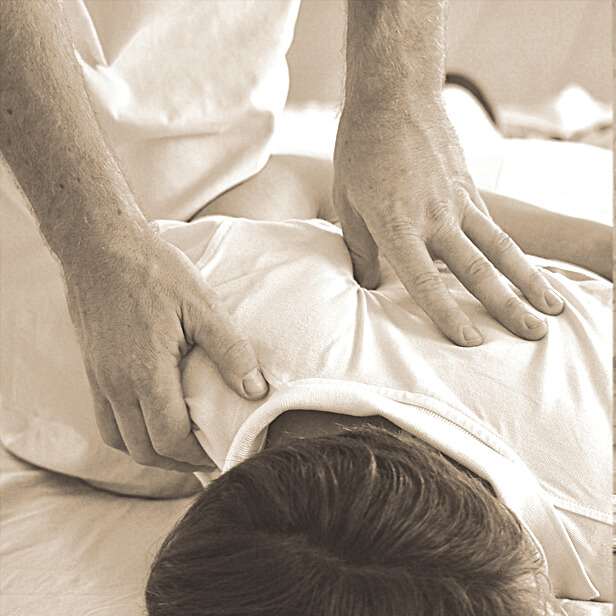
The specificity of the shiatsu technique lies in the combination of pressure, stretching, massage and structural relaxation, and the treatment is performed over clothing, most often on the floor or a low table, using the therapist’s conscious and adapted touch. Unlike classic massage, shiatsu does not use oil and affects the entire energy system, not just the muscles, which makes it a holistic approach to health.
The goal of shiatsu is to balance the flow of this energy, remove blockages and stimulate the body’s natural self-healing processes, thus achieving harmony of body, mind and spirit.
The specificity of the shiatsu technique lies in the combination of pressure, stretching, massage and structural relaxation, and the treatment is performed over clothing, most often on the floor or a low table, using the therapist’s conscious and adapted touch. Unlike classic massage, shiatsu does not use oil and affects the entire energy system, not just the muscles, which makes it a holistic approach to health.
The benefits of shiatsu treatments include:
- Activates a deep state of relaxation through which the body releases stress, regenerates and balances the nervous system.
- Effective in solving problems of fatigue and weakness and increases vitality.
- Reduces tension and pain in the back and neck.
- Relieves pain, stiffness and tension in the muscles.
- Increases mobility.
- Helps with lack of concentration and self-confidence
- Helps with insomnia, headaches and migraines
- It is a strong support during times of major changes in life situations such as separations, illnesses and problems at school.
Shiatsu is a method that not only treats existing ailments, but also acts preventively, helping to maintain health and inner balance through regular treatments.
Each shiatsu therapist develops their own unique style, which can be more gentle or more intense, more focused on physical manipulation or on energy work and emotional support. This individual approach allows shiatsu to be tailored to the specific needs and condition of the client, making each treatment a unique experience.
Each shiatsu therapist develops their own unique style, which can be more gentle or more intense, more focused on physical manipulation or on energy work and emotional support. This individual approach allows shiatsu to be tailored to the specific needs and condition of the client, making each treatment a unique experience.
History of Shiatsu
Shiatsu techniques originate from ancient practices of traditional Chinese medicine that were brought to Japan in the 8th century, where they developed over the centuries into a unique method of working with the body.
In Japan, the practice of Anma massage began around 1000 AD, and in the early 20th century, the term shiatsu (meaning “finger pressure”) was first used by Tamai Tempaku, who combined Eastern and Western medical approaches[2]. The further development of shiatsu was marked by teachers such as Tokujiro Namikoshi, who founded the Japan Shiatsu Institute in 1940, and Shizuto Masunage, the founder of Zen shiatsu[2]. After World War II, shiatsu spread to America and Europe, including Croatia in the early 1990s.
Today, shiatsu is an integrative method that combines various bodywork techniques, based on energy balance and a holistic approach to health.
In Japan, the practice of Anma massage began around 1000 AD, and in the early 20th century, the term shiatsu (meaning “finger pressure”) was first used by Tamai Tempaku, who combined Eastern and Western medical approaches[2]. The further development of shiatsu was marked by teachers such as Tokujiro Namikoshi, who founded the Japan Shiatsu Institute in 1940, and Shizuto Masunage, the founder of Zen shiatsu[2]. After World War II, shiatsu spread to America and Europe, including Croatia in the early 1990s.
Today, shiatsu is an integrative method that combines various bodywork techniques, based on energy balance and a holistic approach to health.